A small leak, damp basement, stained ceiling, or wet section of flooring may not initially appear to be a serious emergency. Many homeowners assume that water damage will resolve itself once the visible water disappears.
Unfortunately, the water you can see may be only a small part of the problem.
Moisture can travel behind walls, underneath flooring, inside insulation, and through structural materials. When water damage is left untreated, it can continue affecting a property long after the surface appears dry.
For homeowners in New Jersey, where heavy rain, plumbing failures, basement flooding, roof leaks, and seasonal storms can all cause water intrusion, acting quickly is essential. Professional inspection, water extraction, drying, and restoration can help prevent a manageable issue from becoming an expensive property disaster.
If you have recently discovered water inside your property, contact NJ Water Damage Restoration LLC or call 201-800-3530 for 24 hour emergency assistance.
Why Untreated Water Damage Gets Worse Over Time
Water can be absorbed by drywall, wood, carpeting, insulation, subflooring, furniture, and other porous materials. Even after standing water has been removed, these materials may continue holding moisture.
Without professional moisture detection and structural drying, trapped water may remain hidden inside the property. Over time, this moisture can create conditions that support mold growth, wood deterioration, odors, contamination, and structural instability.
The longer the affected materials remain wet, the more extensive the restoration process may become.
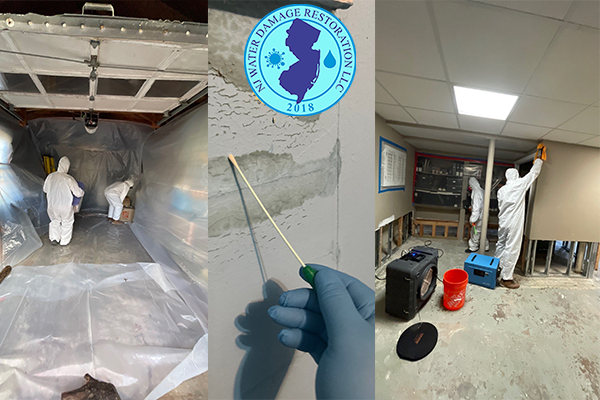
Professional water removal services do more than remove visible water. Restoration technicians can also check concealed areas, monitor moisture levels, dry structural materials, clean affected surfaces, and identify materials that may require repair or replacement.
1. Mold Can Begin Growing Quickly
One of the most common consequences of untreated water damage is mold growth.
Mold thrives in damp environments and may begin developing within a relatively short period after materials become wet. Drywall, wood, insulation, carpeting, fabric, and ceiling tiles can all provide suitable surfaces for mold when moisture is present.
Mold may develop in visible locations, but it can also grow:
- Behind drywall
- Under carpeting or flooring
- Inside wall cavities
- Around plumbing fixtures
- Beneath cabinets
- In basements and crawl spaces
- Near HVAC systems
- Inside damp insulation
Common warning signs may include musty odors, dark spots, discoloration, peeling paint, increased humidity, and recurring moisture.
Ignoring mold can allow it to spread into additional areas of the property. Once contamination becomes extensive, cleaning and restoration may require containment, air filtration, removal of damaged materials, antimicrobial treatment, drying, and reconstruction.
NJ Water Damage Restoration LLC offers professional mold inspection and mold remediation services for homes and businesses throughout New Jersey.
2. Drywall and Ceilings Can Deteriorate
Drywall absorbs moisture easily. When it remains wet, it may become soft, stained, swollen, cracked, or unstable.
Signs of water damaged drywall may include:
- Brown or yellow stains
- Bubbling paint
- Peeling wallpaper
- Soft sections of wall
- Crumbling material
- Sagging ceilings
- Visible mold growth
- Persistent musty odors
A ceiling affected by water may become especially dangerous if the material starts to sag. Water collected above the ceiling can add significant weight and may eventually cause sections to collapse.
Homeowners should avoid standing directly underneath a swollen or sagging ceiling. The water source should be addressed, and the damaged area should be inspected by qualified professionals.
Professional water damage cleanup and repair can include moisture detection, drying, removal of damaged drywall, cleaning, sanitization, and reconstruction.
3. Wood Can Warp, Rot, or Weaken
Wooden materials can absorb and retain water. Prolonged exposure may cause flooring, framing, cabinets, doors, baseboards, and furniture to swell, warp, split, or deteriorate.
Hardwood flooring may cup, crown, buckle, or separate. Wooden cabinets may swell around the bottom edges. Doors may become difficult to open or close. Structural wood may gradually lose strength if moisture remains for an extended period.
Not every wet wooden surface must automatically be replaced. In some situations, professional drying may help preserve the material. However, successful restoration depends on several factors, including:
- The source of the water
- How long the material remained wet
- The amount of water involved
- Whether contamination is present
- The type and condition of the wood
- Whether mold or decay has developed
Fast water extraction and controlled drying can improve the likelihood of saving affected materials.
4. Flooring and Subflooring May Be Damaged
Water often travels underneath the visible flooring surface. A floor may look dry while moisture remains trapped below it.
Carpet can retain water in the fibers, padding, and subfloor. Laminate flooring may swell or separate. Hardwood may warp. Tile may appear unaffected while moisture damages the adhesive or subfloor underneath.
Warning signs of hidden flooring damage may include:
- Loose tiles
- Buckled hardwood
- Swollen laminate
- Soft areas underfoot
- Stained carpet
- Persistent odors
- Unexplained humidity
- Mold along baseboards
Removing only the visible water may not solve the problem. Moisture meters and infrared equipment can help identify water underneath flooring and in other concealed areas.
For properties affected by significant water intrusion, professional water damage restoration services can help determine whether the flooring can be dried or needs to be removed and replaced.
5. Electrical Hazards May Develop
Water and electricity are a dangerous combination.
Water damage near outlets, electrical panels, appliances, wiring, light fixtures, or extension cords may create a risk of electric shock, short circuits, equipment failure, or fire.
Never enter standing water when electrical equipment or wiring may be involved. Do not touch wet outlets, switches, appliances, or electrical panels.
When it can be done safely from a dry location, power may need to be shut off. However, homeowners should not attempt to access an electrical panel while standing in water or while the surrounding area is wet.
A qualified electrician may need to inspect electrical components affected by water before the power is restored or the equipment is used again.
Water removal professionals can address the moisture and damaged building materials, but electrical repairs should be completed by appropriately qualified electrical professionals.
6. Indoor Air Quality Can Decline
Untreated moisture can affect the air inside a home.
Damp materials may produce musty odors and create conditions for mold, bacteria, and other contaminants. When mold spores or particles circulate through the property, occupants may notice discomfort, irritation, or worsening allergy and respiratory symptoms.
People with asthma, allergies, respiratory conditions, weakened immune systems, or other health concerns may be more sensitive to damp indoor environments.
Odor sprays and air fresheners do not remove the underlying cause. The moisture source must be corrected, affected materials must be properly dried or removed, and contaminated surfaces may require professional cleaning.
Services such as mold cleaning, air filtration, dehumidification, and structural drying can help restore a cleaner indoor environment.
Anyone experiencing health symptoms should consult an appropriate medical professional.
7. Contaminated Water Can Create Health and Safety Risks
Not all water damage is the same.
Water from a clean supply line may initially present fewer contamination concerns than water from an overflowing toilet, sewer backup, storm flooding, or other contaminated source. However, even initially clean water can become contaminated after contacting building materials or remaining stagnant.
Sewage water may contain harmful microorganisms and other contaminants. Homeowners should not attempt to clean significant sewage contamination without the proper training, protective equipment, disinfectants, containment procedures, and disposal methods.
Keep children and pets away from contaminated areas. Avoid direct contact with sewage water and affected materials.
NJ Water Damage Restoration LLC provides professional sewage cleanup services for residential and commercial properties in New Jersey.
8. Structural Damage May Become More Serious
Water can gradually weaken materials that help support a building.
Depending on the location and duration of the damage, moisture may affect:
- Wall framing
- Floor joists
- Roof components
- Subflooring
- Support beams
- Foundations
- Drywall and ceilings
- Insulation
Visible warning signs may include cracked surfaces, sagging floors, soft materials, warped walls, separating baseboards, damaged ceilings, and doors or windows that no longer close properly.
Structural concerns should be evaluated promptly. Restoration professionals can identify damaged materials, while serious structural issues may also require evaluation by an engineer, contractor, or other qualified specialist.
9. Pest Problems May Become More Likely
Damp and deteriorating environments can attract pests.
Moisture may create favorable conditions for insects and other unwanted activity, especially in basements, crawl spaces, cabinets, wall cavities, and areas with rotting wood.
Fixing the visible leak without drying the surrounding materials may leave the underlying environment unchanged. Effective prevention requires correcting the water source and removing excess moisture from the affected area.
10. Repair Costs Can Increase
Delaying restoration often makes the damage more difficult and expensive to correct.
A small plumbing leak may initially require water extraction and drying. When ignored, the same problem could eventually involve damaged drywall, flooring, insulation, cabinetry, mold remediation, odor treatment, and reconstruction.
Fast action may help:
- Limit the affected area
- Reduce mold risk
- Preserve building materials
- Prevent structural deterioration
- Shorten the restoration process
- Reduce disruption to the household
- Improve insurance documentation
Professional restoration cannot guarantee that every material will be saved. However, beginning the mitigation process quickly generally provides more options than waiting until deterioration becomes severe.
Common Signs of Hidden Water Damage
Water damage is not always obvious. Homeowners should watch for changes that may indicate concealed moisture.
Common signs include:
- Musty or earthy odors
- Water stains on walls or ceilings
- Peeling or bubbling paint
- Warped flooring
- Soft drywall
- Sagging ceilings
- Mold spots
- Unexplained increases in water bills
- Sounds of dripping or running water
- Condensation in unusual areas
- Persistent humidity
- Damaged baseboards
- Loose tiles
- Cracks or swelling around walls and cabinets
- Allergy symptoms that seem worse indoors
A professional inspection can help locate moisture behind surfaces before the damage becomes more extensive.
What Should You Do After Discovering Water Damage?
Your first priority should be safety.
1. Identify the Source
When possible and safe, stop the source of the water. This may involve turning off the main water supply, closing a fixture valve, or contacting a plumber.
Do not attempt repairs that expose you to contaminated water, electricity, unstable ceilings, or structural hazards.
2. Avoid Electrical Hazards
Stay away from standing water near outlets, wiring, appliances, electrical panels, or light fixtures.
Contact qualified professionals when electrical components may have been affected.
3. Document the Damage
Take photographs and videos of the affected areas before moving or disposing of items, provided it is safe to enter the area.
Document visible water, damaged belongings, flooring, walls, ceilings, furniture, and the suspected source.
4. Contact Your Insurance Provider
Notify your insurance company as soon as reasonably possible. Coverage can depend on the source of the water, the policy terms, exclusions, maintenance history, and other circumstances.
Keep photographs, invoices, inspection reports, moisture readings, and records of communication.
5. Call a Water Damage Restoration Company
Professional restoration technicians can inspect the property, extract standing water, detect hidden moisture, install drying equipment, clean affected areas, and develop a restoration plan.
For emergency assistance in Clifton and surrounding New Jersey communities, call NJ Water Damage Restoration LLC at 201-800-3530.
Why Professional Drying Is Different from Normal Air Drying
Opening windows or placing household fans in a wet room may help with minor surface moisture, but these steps may not adequately dry walls, insulation, subflooring, framing, or concealed cavities.
Professional restoration may involve:
- Commercial water extraction equipment
- Industrial air movers
- High capacity dehumidifiers
- Moisture meters
- Infrared inspection equipment
- Controlled drying plans
- Air filtration equipment
- Cleaning and sanitizing products
- Ongoing moisture monitoring
The goal is not simply to make the surface feel dry. The goal is to reduce moisture inside affected materials to appropriate levels and address contamination or damage.
Learn more about the company’s flood cleanup services and flood restoration services.
Can You Handle Water Damage Yourself?
Very small spills involving clean water and nonporous surfaces may sometimes be cleaned with household equipment. However, professional assistance should be considered when:
- Water has entered walls or flooring
- Multiple rooms are affected
- The water has been present for an extended period
- Mold is visible or suspected
- Sewage or contaminated water is involved
- The ceiling is sagging
- Electrical systems may be affected
- The source of the water is unknown
- Structural materials are damaged
- The area cannot be dried completely
- A basement or crawl space is flooded
- Odors remain after cleanup
Trying to handle extensive damage without moisture detection equipment may leave hidden areas untreated.
How NJ Water Damage Restoration LLC Can Help
NJ Water Damage Restoration LLC has served Clifton and surrounding New Jersey communities since 2018.
The company provides restoration services for residential and commercial properties affected by leaks, flooding, mold, sewage, and other moisture related problems.
Services include:
- Emergency water removal
- Water damage restoration
- Water damage cleanup and repair
- Flood cleanup
- Flood restoration
- Mold inspection
- Mold cleaning
- Mold mitigation
- Mold remediation
- Mold damage restoration
- Sewage cleanup
- Water damage related mold removal
The restoration process may include an initial inspection, water extraction, moisture detection, structural drying, dehumidification, cleaning, sanitization, damaged material removal, repairs, and final inspection.
Do Not Wait for Water Damage to Disappear
Visible water may disappear while damaging moisture remains inside the property.
Leaving water damage untreated can lead to mold, damaged drywall, warped flooring, wood deterioration, electrical concerns, unpleasant odors, poor indoor conditions, structural problems, and significantly higher repair costs.
The sooner the property is inspected and dried, the better the opportunity to limit secondary damage.
For professional water damage restoration in Clifton, Bergen County, Passaic County, Essex County, Hudson County, and surrounding New Jersey areas, contact NJ Water Damage Restoration LLC.
Call: 201-800-3530
Email: info@waterdamagemoldsolutions.com
Address: 162 Highland Ave, Clifton, NJ 07011
Request Service: Contact NJ Water Damage Restoration LLC
Emergency service is available 24 hours a day.
Frequently Asked Questions
How long can water damage be left untreated?
Water damage should be addressed as soon as it is discovered. Moisture can spread into walls, flooring, insulation, and structural materials even when the visible surface begins to dry.
Can water damage cause mold?
Yes. Damp building materials can create conditions that support mold growth. The moisture source must be corrected, and affected materials should be properly dried or removed.
How can I tell whether water is behind a wall?
Possible signs include stains, bubbling paint, soft drywall, musty odors, visible mold, warped baseboards, and unexplained humidity. Professional moisture meters and infrared inspection equipment can help identify concealed moisture.
Is a water stained ceiling dangerous?
A stained ceiling may indicate an active or previous leak. If the ceiling is swollen, sagging, cracked, or dripping, avoid standing underneath it and arrange an immediate professional inspection.
Will water damage dry by itself?
Some surface moisture may evaporate, but water trapped inside drywall, insulation, flooring, subflooring, and wall cavities may remain. Professional drying equipment may be required.
Should I remove mold after water damage myself?
Small surface areas may sometimes be manageable, but professional help should be considered when mold is extensive, hidden, recurring, associated with contaminated water, or affecting porous building materials.
Does homeowners insurance cover untreated water damage?
Coverage depends on the policy, the cause of the damage, exclusions, and whether the homeowner took reasonable steps to prevent additional damage. Contact your insurance provider for guidance about your specific policy.